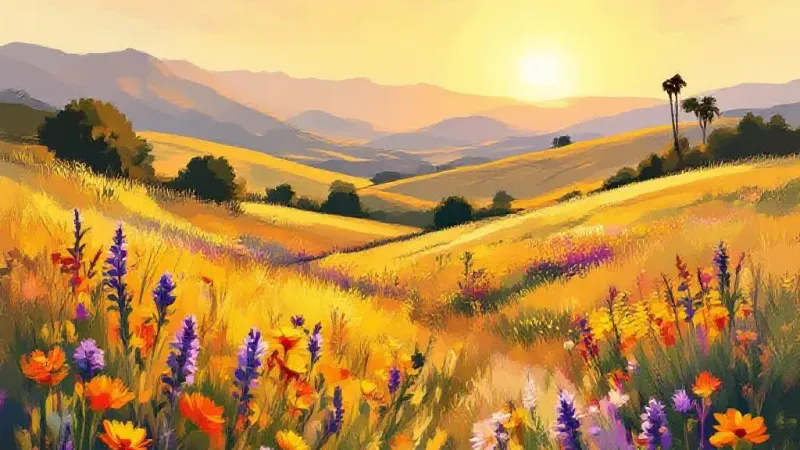
The Native Seed Farm, located on 8 acres at the north end of Jeffrey Road, cultivates 49 native plant species annually. This work yields approximately 1,000 pounds of seeds each year, which are used to restore and enhance 5,000 acres of Southern California habitat.
The farm includes both working plots, where planting, harvesting, and processing happen almost continuously in neat rows, and a demonstration garden. The demonstration garden is largely left alone to showcase how various native species interact and grow naturally within the Mediterranean climate.
Jesse Potter, project manager of plant materials development at the Irvine Ranch Conservancy, offers specific recommendations for native plants that thrive in local gardens and support pollinators. Potter describes toyon as a “great choice for most gardens.” This large evergreen shrub, or small tree, can grow between 6 and 25 feet tall and produces red berries around the holidays, resembling holly. The toyon is also said to have inspired the name Hollywood.
Potter highlights California buckwheat as a top choice for supporting local native pollinators, noting its many small white-pink flowers that appear in late spring and early summer. Black sage is also recommended for pollinators, recognized for its highly fragrant foliage and white-purple blooms in the spring. For those seeking an aromatic plant, Potter notes California sagebrush for its feathery gray-green leaves that produce an “amazing sweet herbal fragrance when rubbed.”
Additional native plants that adapt well to the local climate include purple Cleveland sage, scarlet California fuchsia, and sticky monkeyflower, which features tubular flowers in shades of yellow, orange, and red. White sage, with its distinctive silvery leaves, offers a striking visual element for a home garden. An elderberry tree can add stature and produces creamy white flowers in midsummer.
The Native Seed Farm began its operations in 2009 on a small parcel of an avocado orchard that had been damaged in the 2007 Santiago Canyon Fire. In 2016, the farm relocated to its current, larger site, which allowed for expanded infrastructure.
Volunteers are critical to the farm's daily operations, assisting with tasks such as weeding, harvesting, and seed-sowing. Regular volunteer activities are open to the public on specific days of the week, alongside occasional events focused on pollinators and the demonstration garden. These activities offer an opportunity to learn more about local flora and ecology. No prior experience is required, and basic equipment, including gloves, rakes, and spades, is provided. Participants can also gain insight into the historical uses of native plants, such as the Tongva tribes gathering tiny buckwheat seeds for flour or brewing California sagebrush leaves for tea. Residents interested in participating can find information on activities and sign up.