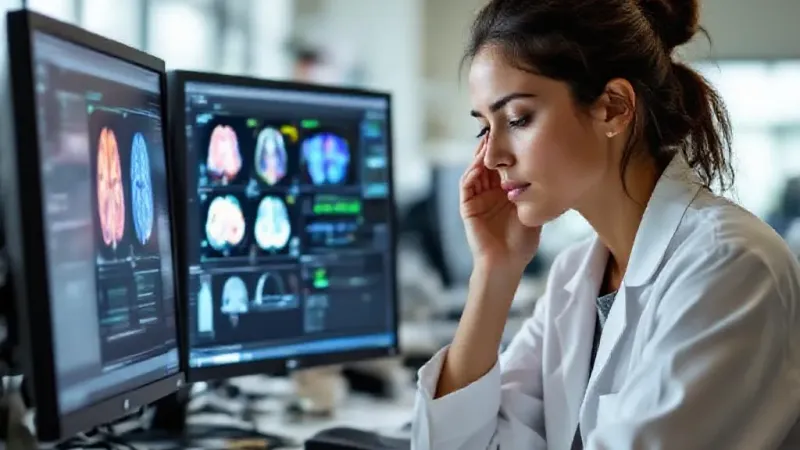
University of California, Irvine neurobiologists recently detailed the results of a study that evaluated more than 11,000 workers at a major U.S. organization. Specifically, the data collected by the University of California, Irvine neurobiologists revealed that employees showed a 13 percent increase in clicking phishing links following the time change.
Addressing the broader context of these results, Eitan Schechtman told UC Irvine News, "There are several ways to contextualize our findings." Expanding on the potential real-world responses to the data regarding employee vulnerabilities, Eitan Schechtman told UC Irvine News, "I hope that cybersecurity companies and employers will take action ahead of the daylight-saving-time transition, as well as other times during which sleep is compromised, such as following holidays or major sports events."
The findings concerning workplace phishing vulnerability also align with broader national figures on sleep patterns and cyber threats. Specifically, research cited by Amanda E. Ng, Lindsey I. Black, and Dzifa Adjaye-Gbewonyo showed that short sleep duration affected 30.5 percent of adults in 2024. On the economic impact front, the FBI Internet Crime Complaint Center recorded that U.S. cybercrime financial losses surpassed $20 billion in the previous year. Furthermore, legislative efforts addressing time changes have seen movement, with the U.S. House of Representatives having approved the Sunshine Protection Act.